Most people know some clothes need dry cleaning, but not many understand why — or when it’s actually necessary versus when a regular home wash will do just fine.
What Is Dry Cleaning, Actually?
Despite the name, dry cleaning isn’t completely dry — it uses a liquid chemical solvent (usually perchloroethylene, or “perc”) instead of water. This solvent dissolves oils and dirt without causing the fabric to swell or shrink the way water can. The process is gentler on delicate structures and fibres that water would damage.
“Dry cleaning isn’t just for formal wear. It’s a fabric preservation technique — and knowing when to use it can extend the life of your clothes significantly.”
When Should You Dry Clean?
1. When the label says so
If the care label says “Dry Clean Only”, follow it. Manufacturers test their garments and this instruction is there for a reason — the fabric, construction or lining will likely be damaged by water washing.
2. Structured garments
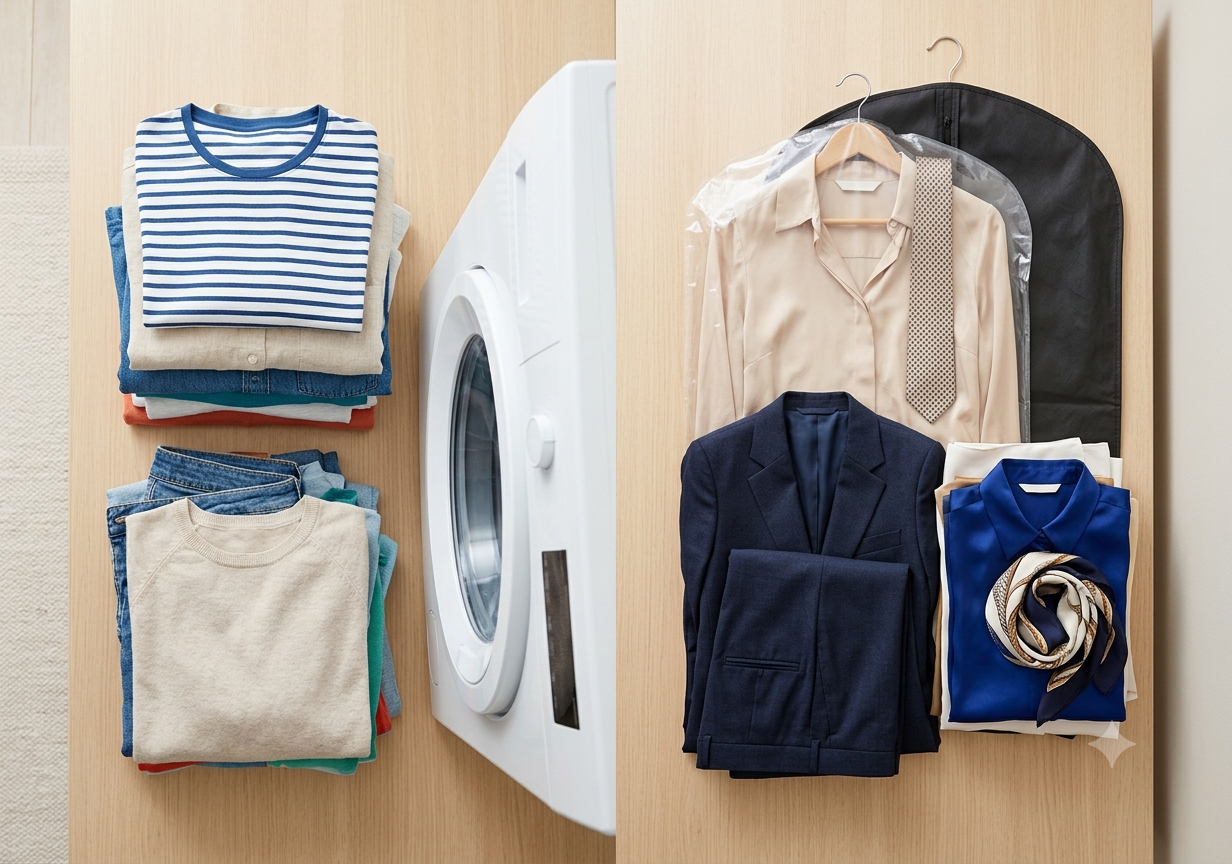
Suits, blazers, structured jackets and formal coats contain internal padding, interfacing and stitching that can warp, shrink or separate when exposed to water and machine agitation. Dry cleaning preserves their shape.
3. Delicate fabrics
Silk, velvet, taffeta, organza and heavily beaded or embroidered fabrics are best dry cleaned. Water can alter the texture, lustre or structure of these materials in ways that can’t be reversed.
4. Large items you can’t wash at home
Heavy wool coats, large curtains and wedding dresses often need professional cleaning simply because they’re too large and heavy for a domestic machine when wet.
When Is a Regular Wash Fine?
- Cotton and linen — machine washable in most cases; check temperature
- “Dry Clean Recommended” labels — this is a suggestion, not a requirement; a gentle cold machine wash is usually fine
- Polyester and synthetic blends — generally machine washable; check for embellishments
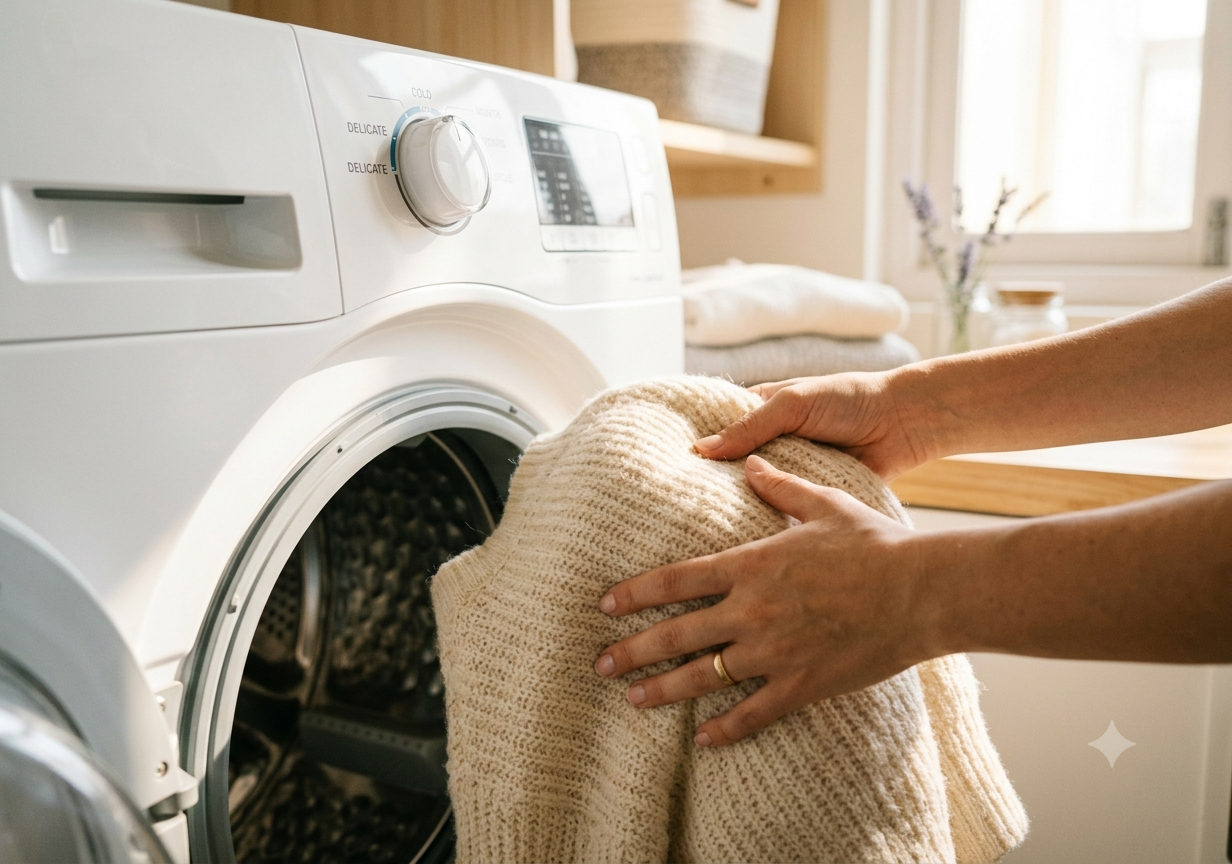
- Knitwear — a gentle or wool cycle in cold water is usually sufficient; lay flat to dry
The “Dry Clean Recommended” vs “Dry Clean Only” Difference
This distinction matters. “Dry Clean Only” means the fabric will be damaged by water — it’s a requirement. “Dry Clean Recommended” is a conservative suggestion — the manufacturer is being cautious, but a cold gentle machine wash is usually safe. When in doubt, test on a hidden area or hand wash in cold water first.
What About Professional Laundry Services?
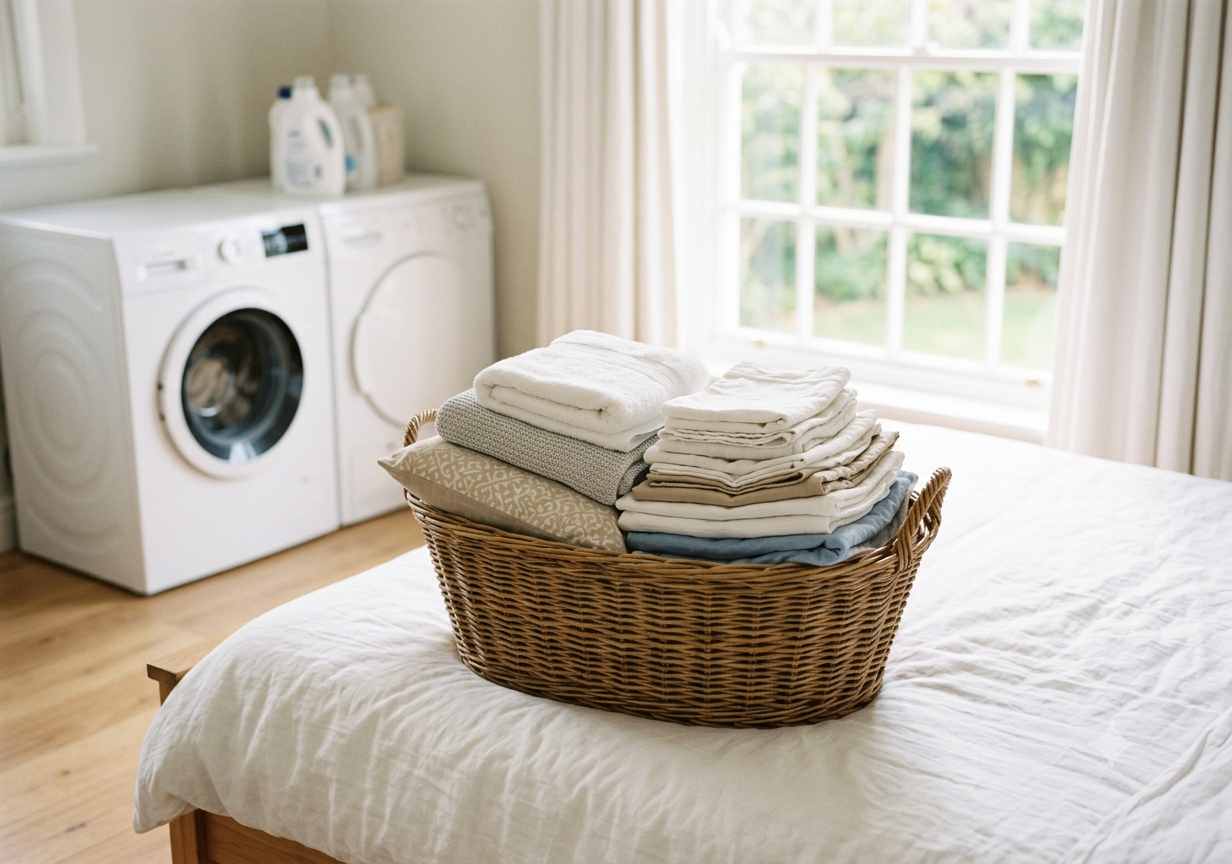
A professional laundry service like Laundry Help sits between home washing and dry cleaning — we wash, dry and fold using commercial-grade machines, professional detergents and the correct temperatures for each fabric type. For most everyday garments, uniforms, linen and bedding, this is the ideal solution: better than home washing, more affordable than dry cleaning.
If you’re unsure whether an item needs dry cleaning or professional laundering, feel free to get in touch — we’re happy to advise.